
The Inca Trail is one of the most permit-controlled trekking routes in the world. With a daily cap of 500 people — including guides and porters — every spot is earned in advance, and the operator you choose determines everything about the experience you actually have on the ground.
This guide is a curated selection. We don’t list every operator offering an Inca Trail package — we focus on a smaller number of companies that represent genuinely distinct approaches to the trek, from classic well-run expeditions to full ultra-luxury glamping operations.
Whether you’re planning a 2026 or 2027 departure, the information below is designed to help you make a more informed decision based on what actually matters at altitude.
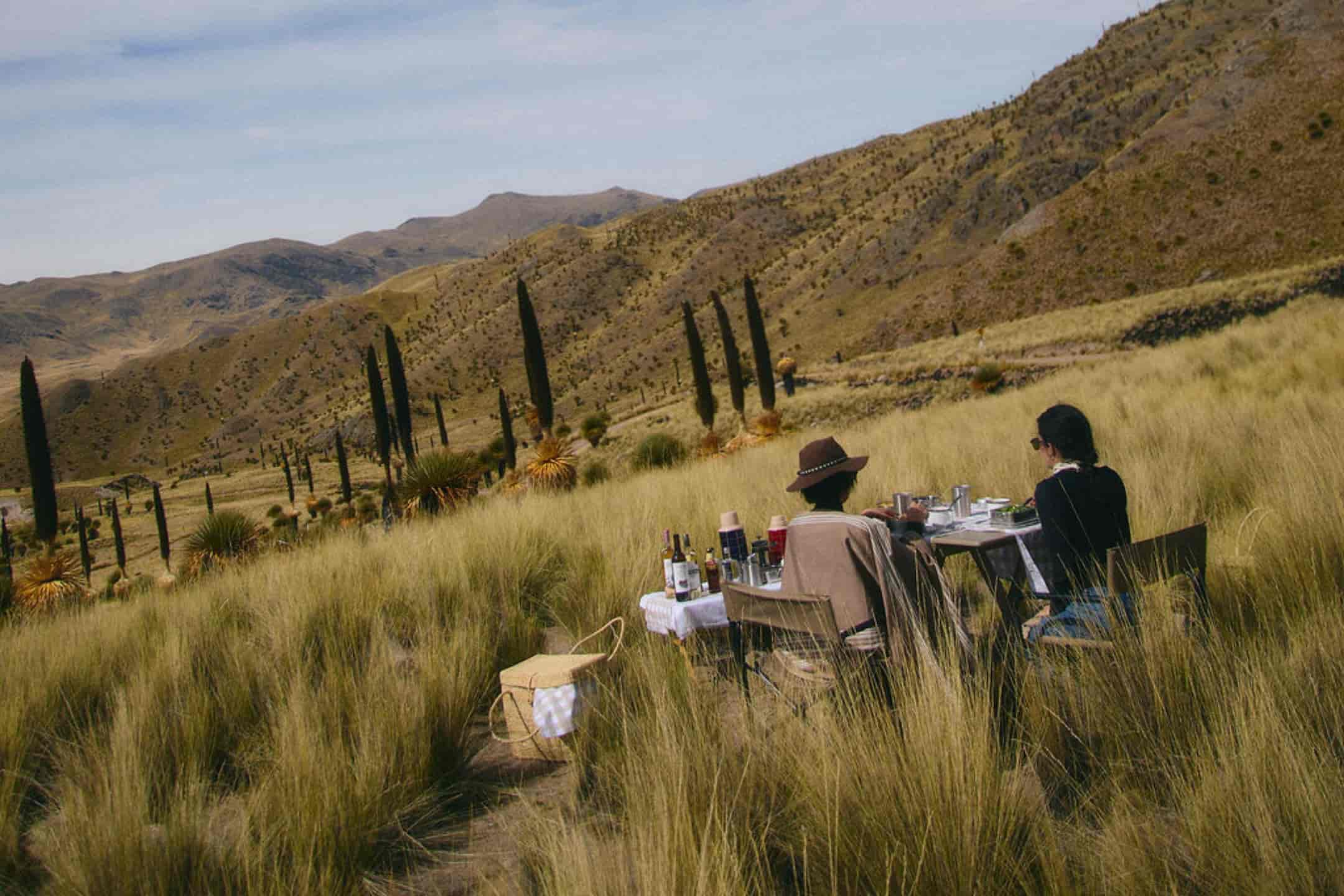
Understanding the Inca Trail Before Choosing an Operator
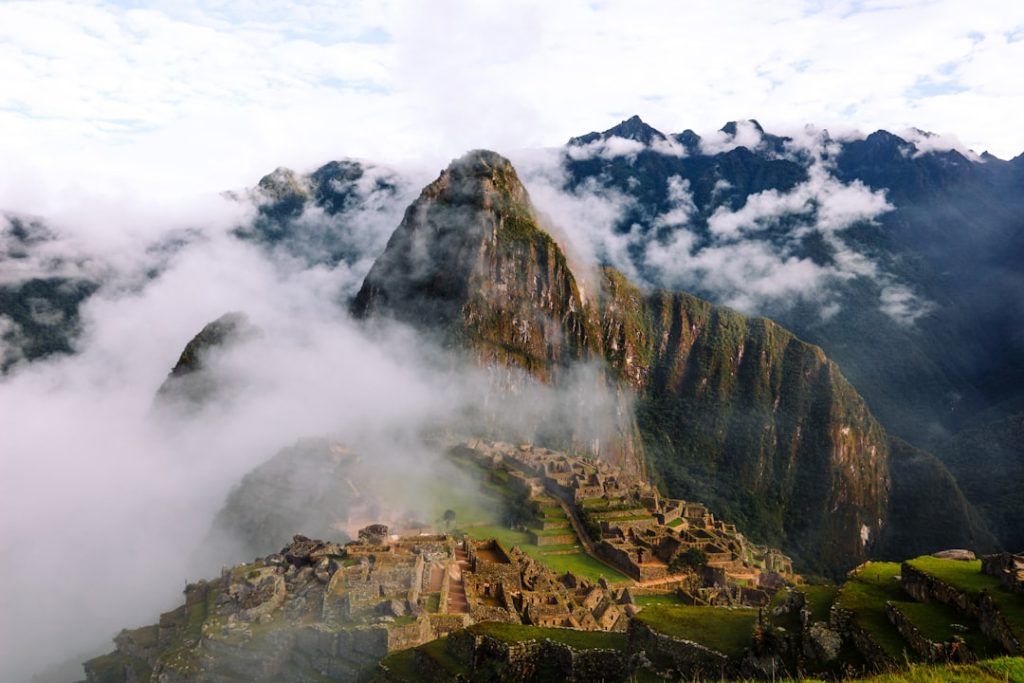
The classic route covers 43 kilometers over four days, starting at Piscacucho (KM 82) on the Urubamba River and finishing at Machu Picchu via the Sun Gate (Inti Punku). The highest point is Dead Woman’s Pass (Warmiwañusqa) at 4,215 meters above sea level — crossed on day two.
Permits are issued by the Peruvian Ministry of Culture and are non-transferable. They sell out months in advance, particularly for the May–September dry season. Any legitimate operator will require your passport number to secure the permit at the time of booking.
This permit structure means the trail itself is the same for everyone. What changes completely between operators is the quality of the camp, the food, the guide, and the overall service standard.
The Two Main Approaches to Luxury Trekking
Before comparing specific operators, it helps to understand that “luxury” on the Inca Trail covers a wide range of realities:
Premium trekking means an upgraded version of the standard experience — better equipment, more experienced guides, improved meals, smaller groups. It is a meaningfully better trek than a budget option, but it’s still fundamentally a camping operation.
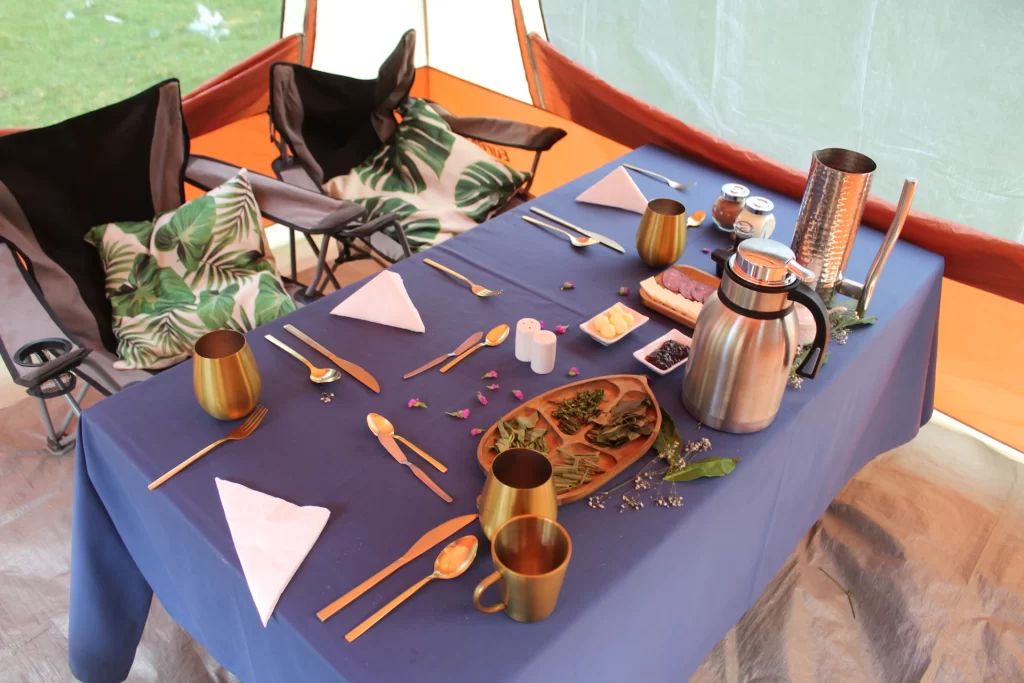
Ultra-luxury glamping is a different category entirely. The infrastructure — beds, kitchen, dining setup, hot showers — is mobile and rebuilt each day at a new campsite. The service model is closer to high-end hospitality than to trekking logistics. The cost and operational complexity are significantly higher.
Knowing which of these two categories you want is the most important decision before comparing companies.
Top 5 Inca Trail Tour Operators — Curated Selection 2026 & 2027
1. View Signature Travels — Ultra-Luxury Glamping
View Signature Travels operates at the top end of the luxury trekking spectrum. Their approach applies hospitality standards comparable to brands like Belmond or Relais & Châteaux — translated into a fully mobile camp environment on the Inca Trail.
In practice, this means spacious tents with proper beds and quality linens, a private chef traveling with the group and preparing meals from fresh Andean ingredients, hot showers at each campsite, trained massage therapists available in the evenings, and a service team — guides, porters, and support staff — trained specifically in hospitality, not just logistics.
The camp is entirely mobile, rebuilt each afternoon before trekkers arrive. This is operationally complex and requires a significantly larger and more specialized team than standard premium operations.
View also offers private departures, which means the group, pace, and experience are designed entirely around the specific travelers on that trek.
Best for: Travelers who want the Inca Trail experience without any compromise on service quality or physical comfort. Also well-suited to travelers who regularly stay at ultra-luxury properties and are looking for an equivalent standard on the trail.
Style: Ultra-luxury | Private & small group | Glamping | Gourmet dining

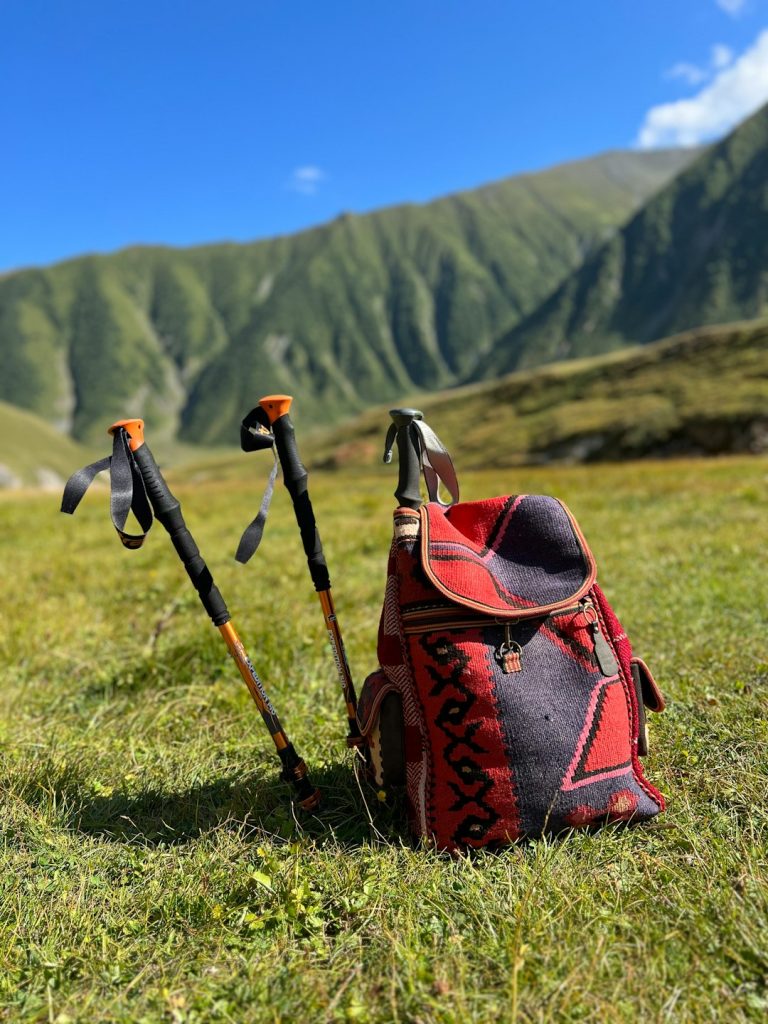
4. Terra Explorer Peru — Premium Trekking
Terra Explorer is a well-regarded Cusco-based operator with a strong track record on the Inca Trail. Their offering sits in the premium trekking segment — upgraded equipment, knowledgeable and personable guides, and solid operational logistics across group and private departures.
They are particularly well-reviewed for guide quality and their ability to manage diverse groups — including mixed ages and fitness levels — while maintaining a high-quality experience throughout. Their approach is more trekking-focused than hospitality-focused, which suits travelers whose priority is the physical and cultural experience of the trail rather than camp comfort.
Best for: Active travelers and groups who want a reliable, well-organized premium trek with excellent guide quality. Good value in the premium segment.
Style: Premium trekking | Group & private | Strong guide focus
3. Enigma Adventures — Bespoke Luxury
Enigma is one of Peru’s most established luxury operators and a preferred partner of several of the world’s leading travel agencies. Their Inca Trail offering sits firmly in the premium-to-luxury segment, with a strong reputation for guide quality, gourmet meals prepared on the trail, on-route massage therapists, and hot showers at camp.
What distinguishes Enigma editorially is their approach to customization — every journey is designed around the specific group, with the possibility of incorporating interests ranging from gastronomy and archaeology to wellness and photography. They operate exclusively on a private basis for their luxury programs.
Enigma has long-standing relationships with the international luxury travel trade, which is reflected in their operational consistency and attention to detail at every stage of the trek.
Best for: Travelers who want a deeply customized, culturally rich luxury trek. Strong choice for those booking through international luxury travel advisors.
Style: Bespoke luxury | Private | Culturally immersive | High guide quality
2. Peru&U — Boutique Premium
Peru&U positions itself in the space between premium trekking and full ultra-luxury. The emphasis is on smaller, more intimate group sizes, a personalized service approach, and a curated overall experience that balances comfort with authenticity.
Their Inca Trail offering includes luxury glamping-style camps, expert bilingual guides, and an attentive service team. The experience is designed for travelers who want something more personal and carefully managed than a group tour, without necessarily requiring the full mobile-luxury infrastructure of operators like View.
Peru&U also connects the Inca Trail experience within broader Peru itineraries — making them a strong option for travelers who want the trek as part of a longer, curated journey through the country.
Best for: Travelers seeking a personalized boutique experience with strong service quality. Good fit for small private groups, couples, and travelers integrating the trek into a wider Peru itinerary.
Style: Boutique premium | Small groups | Personalized service
Style: Ultra-luxury | Private & small group | Glamping | Gourmet dining
5. Pachatusan Trek — Sustainable Premium
Pachatusan Trek is a Cusco-based operator with a clear focus on sustainable tourism and a strong connection to the local Andean community. Their Inca Trail programs offer well-equipped camps, quality meals, and experienced guides, with a service philosophy rooted in responsible operation and environmental respect.
They offer both classic and glamping-style Inca Trail formats, making them accessible across a range of comfort expectations. Their strength is in the authenticity of the experience and their genuine engagement with the communities along the trail.
Best for: Travelers who prioritize responsible, community-connected tourism alongside quality service. Good option for those who want a well-run trek with a meaningful local dimension.
Style: Sustainable premium | Classic & glamping formats | Community focus
Comparison at a Glance
| Operator | Tier | Style | Best For |
|---|---|---|---|
| View Signature Travels | Ultra-Luxury | Mobile glamping, hospitality service | No-compromise luxury travelers |
| Peru&U | Boutique Premium | Personalized, small group | Intimate curated experiences |
| Enigma Adventures | Bespoke Luxury | Customized, private | Cultural depth + customization |
| Terra Explorer Peru | Premium Trekking | Group & private, guide-led | Active, experience-focused travelers |
| Pachatusan Trek | Sustainable Premium | Responsible, community-rooted | Sustainability-conscious travelers |
What Does a Luxury Inca Trail Tour Cost in 2026?
Pricing reflects the real operational cost of delivering quality at high altitude, not just a brand premium. The Inca Trail has fixed permit costs regardless of operator — what changes is the infrastructure, staffing, and service model built around that permit.
- Premium trekking (Terra Explorer, Pachatusan level): USD 4,000 – 5,500 per person
- Boutique / bespoke luxury (Peru&U, Enigma level): USD 3,500 – 4,000 per person
- Ultra-luxury glamping (View level): USD 4,500 – 7,000+ per person for private departures
The upper tier reflects the genuine cost of mobile luxury infrastructure, a specialized hospitality-trained service team, and the operational complexity of delivering that standard across four consecutive campsites on a restricted trail.
Key Questions to Ask Any Operator Before Booking
These questions cut through marketing language and reveal the real standard of the experience:
- Is the camp mobile or fixed? Genuine glamping means the entire camp moves each day.
- Beds or cots? What exactly is the sleeping setup — raised beds, cots, or mats on the ground?
- How is hot water provided? Solar heating, gas, or carried hot water — and at which campsites?
- Private chef or camp cook? A trained chef traveling with the group is a different proposition to a standard cook team.
- What is the maximum group size? Smaller is almost always better for service quality and guide attention.
- Private or shared departure? Private departures mean the entire experience is designed around your group.
Practical Information: Permits and Booking Timeline
Inca Trail permits for the peak season (May–September) regularly sell out six to twelve months in advance. For 2026 departures, availability in this window is already limited. For 2027, early booking is strongly recommended for any date between May and September.
February is the only month the trail closes completely, for maintenance and conservation work. March and April are accessible but carry higher rainfall. October and November offer a good balance of availability and conditions.
Any operator securing your permit will require your full passport details. This is a standard requirement of the Peruvian Ministry of Culture — not something specific to individual operators.
A Note on This Curation
Outdoor Atlas does not sell tours and has no commercial relationship with the operators listed above. This selection is based on our editorial assessment of operators who represent distinct and genuine approaches to the Inca Trail experience. We update this guide periodically as the operator landscape evolves.
If you want personalized recommendations based on your specific travel profile, group size, and comfort expectations, use the link below.